
Home improvement is often associated with fresh paint, new finishes, and changes that make a house look more appealing. Yet some of the most valuable projects are the ones that protect the structure, prevent interruptions, and make ordinary routines easier. A dry basement, reliable hot water, comfortable indoor temperatures, and working appliances may not attract much attention until something goes wrong.
Taking care of these needs requires more than reacting to emergencies. It helps to examine how different parts of a home interact, especially where moisture, airflow, and aging equipment can create problems beyond their immediate locations. A minor leak might affect insulation, while a poorly ventilated room can make an otherwise efficient heating system feel inadequate. Planning improvements with those connections in mind can reduce repeated repairs and help homeowners spend money where it matters.
The following projects address common sources of household damage while also improving comfort, convenience, and everyday usability. Not every home will need every upgrade, but each area deserves periodic attention when setting maintenance priorities.
Inspect the Roof Before Small Leaks Spread
The roof is the first line of defense against rain, snow, wind, and changing temperatures. Missing shingles, deteriorated flashing, and damaged seals around vents can let moisture reach the decking or attic long before a stain appears on a ceiling. Regular visual checks, particularly after severe storms, make it easier to identify problems before they spread into living spaces.
Homeowners can look for curled shingles from the ground, check attic areas for discoloration, and note whether water collects near chimneys or roof penetrations. Climbing onto a steep or damaged roof is unnecessary and risky. A qualified professional can inspect difficult areas and determine whether roof repair will address the problem or whether more extensive work is needed.
Timing matters because moisture rarely stays in one place. Once water enters, it may damage insulation, encourage mold growth, or weaken materials that support the roof. Repairing a flashing detail early may prevent the need to replace interior drywall later. It is also wise to document recurring leaks and ask what caused them rather than repeatedly patching the same visible symptom.
Roof work should be considered alongside attic ventilation and drainage. Water from above and moisture trapped inside can produce similar warning signs, but their solutions differ. Identifying the source first helps homeowners choose a repair that protects the house for the long term.
Direct Rainwater Away From the House
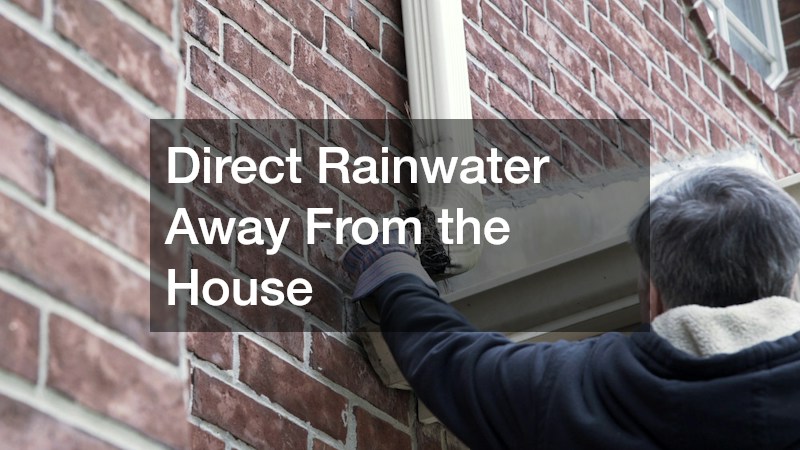
A sound roof cannot protect a home completely if runoff is allowed to collect beside the foundation. Gutters and downspouts guide water away from siding, walkways, landscaping, and basement walls. When gutters clog or pull away from the fascia, overflowing water may seep into vulnerable areas and gradually erode the soil near the house.
Routine cleaning is important, but some systems need more than debris removal. Sagging sections, leaking joints, insufficient downspouts, and improper slope can prevent water from moving where it should. In those situations, seamless gutter installation may help reduce the number of joints where leaks develop, provided the system is properly sized, supported, and directed toward safe discharge areas.
Walk around the property during a moderate rain if conditions are safe. Look for water spilling behind gutters, puddles near exterior walls, and downspouts emptying against the foundation. These observations can reveal problems that are difficult to spot on a dry day. Check whether extensions create tripping hazards or direct water toward neighboring property.
Drainage planning also involves grading and landscape features. A new gutter system will not solve every moisture issue if soil slopes toward the house. Combining sound gutters with appropriate drainage routes helps preserve foundations, limit basement dampness, and keep entrances usable after heavy rain.
Maintain Heating and Cooling Equipment Regularly
Heating and cooling systems affect nearly every room in a home. When equipment struggles to maintain the selected temperature, everyday activities become less comfortable, and energy use may rise. Dusty filters, blocked vents, worn components, and neglected controls can contribute to uneven temperatures or unexpected breakdowns.
Scheduling HVAC maintenance before periods of heavy use gives a technician an opportunity to inspect performance, check electrical connections, clean appropriate components, and identify developing issues. Homeowners can support that work by replacing or cleaning filters according to equipment instructions and keeping supply and return grilles unobstructed. Outdoor units also need adequate clearance for airflow.
Comfort problems deserve investigation instead of automatic thermostat adjustments. If one room stays hot while others are cool, the cause could involve airflow, insulation, duct leakage, or equipment settings. Raising system output without finding the underlying issue may increase operating costs without creating a comfortable space.
It is helpful to keep a simple record of service visits, filter changes, unusual noises, and recurring temperature complaints. Those details give technicians useful context and can make intermittent problems easier to diagnose. A system that operates consistently also supports daily routines, from sleeping comfortably to working at home without distracting temperature swings.
Regular attention does not eliminate every equipment failure. It can, however, make repair needs more predictable and help homeowners evaluate whether a repair or replacement makes better financial sense.

Improve Airflow and Insulation Together
A comfortable indoor environment depends on both the air moving through the house and the building materials keeping outdoor conditions from overwhelming it. Even a well-maintained heating and cooling unit may struggle if conditioned air escapes through gaps or certain rooms receive too little airflow. Looking at these issues together often produces more useful results than treating them separately.
During a major renovation, duct installation may be necessary to serve new rooms or correct an outdated layout. Ducts must be designed for the equipment and available space rather than simply extended wherever construction allows. Poorly planned runs can create noise, airflow restrictions, and difficult maintenance access. Sealing accessible duct connections and evaluating insulation around ducts can also improve performance.
The building envelope deserves similar attention. Drafts around attic openings, unsealed penetrations, and inadequate insulation can make rooms uncomfortable in both summer and winter. A home insulation service can assess areas that are difficult to inspect and recommend improvements suited to the structure and climate. Air sealing is often an important companion to insulation, since insulation alone does not stop every draft.
Before enclosing walls or ceilings, coordinate any duct changes with insulation and electrical work. This prevents finished surfaces from being reopened to correct missed connections. The combined goal is straightforward: deliver conditioned air effectively and help rooms hold the temperatures occupants want, without putting unnecessary strain on mechanical equipment.
Upgrade Water Heating for Reliable Daily Use
Hot water supports bathing, laundry, washing dishes, and routine cleaning. A water heater that frequently runs out of hot water or shows signs of corrosion can disrupt several parts of the day. Leaks around the tank or connections deserve prompt attention because even a slow drip may damage nearby flooring and stored belongings.
Start by checking the equipment age, manufacturer guidance, visible condition, and changes in performance. Inconsistent temperatures, unusual sounds, or moisture around fittings do not always mean a complete replacement is required, but they warrant evaluation. Homeowners should also confirm that the surrounding area allows reasonable access for service and that any drainage or leak protection is functioning as intended.
When replacement is appropriate, local water heater installation specialists can help compare tank and tankless options, capacity, available energy sources, and installation requirements. The correct choice depends on household demand, available space, budget, and the home’s existing systems. Selecting a unit solely because it is compact or advertised as efficient may overlook the cost of necessary plumbing or electrical modifications.
A properly planned upgrade can make morning routines more predictable and reduce the chance of a sudden loss of service. Homeowners should discuss permits, safety requirements, expected maintenance, and warranty terms before work begins. Keeping the installation documents accessible makes future service easier and helps the next technician understand what was changed.

Prevent Drain Blockages and Hidden Leaks
Plumbing problems can become expensive when water reaches cabinets, subfloors, or finished walls. Slow drains and occasional gurgling may seem minor, but repeated symptoms can indicate buildup, a venting issue, or a developing obstruction. Addressing the cause early helps prevent messy backups and limits damage to the surrounding area.
Begin with simple habits that reduce stress on drains. Avoid sending grease, wipes, and food scraps into plumbing systems, even when a disposal is present. Use strainers to catch hair and debris, and periodically inspect accessible supply lines and connections beneath sinks. Check around toilets and tubs for soft flooring, persistent dampness, or discoloration that might signal a leak.
For recurring blockages, rooter services may be appropriate when a professional determines that mechanical drain cleaning is needed. The right approach depends on pipe condition and the location of the obstruction. Sometimes a camera inspection or further diagnosis is necessary to distinguish ordinary buildup from root intrusion, damaged piping, or a more serious drainage problem.
Do not rely on repeated chemical drain treatments to solve a persistent issue. They may fail to address the underlying cause and can complicate safe service. Recording when and where backups occur can help a plumber recognize patterns. Keeping drains functional protects materials around them and makes kitchens, bathrooms, and laundry spaces easier to use without constant interruptions.
Repair Appliances Before Problems Escalate
Household appliances quietly support tasks that would otherwise take considerable time. A refrigerator preserves groceries, a dishwasher handles cleanup, and a washing machine manages clothing and linens. When one performs poorly, the inconvenience can affect an entire schedule. Some malfunctions also create risks of leaks, overheating, or damage to nearby surfaces.
Watch for practical warning signs: puddles beneath appliances, doors that do not seal, unusual vibrations, repeated error messages, or cycles that take longer than expected. Cleaning lint filters, checking hoses, and maintaining appropriate ventilation are simple steps that can help prevent problems. Always follow manufacturer instructions, and disconnect power or water where appropriate before performing permitted maintenance.
Professional appliance repair services can assess whether an issue is limited to a replaceable component or points to a larger failure. Before approving work, compare the estimated repair cost with the age, condition, and replacement price of the appliance. Consider whether replacement would require new connections, cabinetry adjustments, or disposal arrangements that add to the overall cost.
Appliances that use water deserve special attention because a small leak can remain hidden beneath cabinets or behind equipment. Inspect the surrounding floor occasionally and take unexplained moisture seriously. Thoughtful maintenance and timely repairs keep essential chores manageable while reducing the likelihood that an appliance problem becomes a flooring or wall repair project.

Renovate Bathrooms With Moisture Protection in Mind
Bathrooms combine water, electricity, ventilation, and heavily used surfaces. Worn caulk, cracked grout, and inadequate airflow can allow moisture to reach concealed materials. Cosmetic improvements are more valuable when they correct these problems rather than conceal them behind attractive finishes.
Before beginning bathroom remodeling, inspect for soft spots near the tub, stains around plumbing, and persistent condensation. Consider whether the existing layout works for its users. Better lighting, accessible storage, slip-resistant flooring, and practical fixture placement can make the room safer and easier to navigate.
When comparing bathroom remodeling companies, ask about waterproofing, ventilation, plumbing changes, and unexpected damage discovered during demolition. Review the scope carefully so allowances, permits, materials, and responsibilities are clear. A realistic schedule should allow for inspections and the curing time required by waterproofing systems.
Durability matters around showers and tubs. Waterproofing beneath tile and correctly detailed joints are more important than surface appearance. Good ventilation helps manage humidity after bathing, while easy-to-clean materials simplify upkeep. Planning for moisture resistance and comfort turns a bathroom renovation into an improvement that serves the household beyond its first few months.
The most effective improvement plans connect routine care with timely upgrades. Address urgent moisture concerns first, then prioritize systems that affect safety and daily function. After each project, save records, monitor results, and adjust future maintenance plans. This steady approach can make a house more comfortable without letting small, preventable problems grow unnoticed.